

Rewriting Local Leadership: How Delwin Lampkin Is Reshaping City Politics Through Operational Credibility and Civic Engagement
Abstract
Local government in the United States is increasingly defined by complexity: rising public expectations, resource constraints, and heightened scrutiny amplified by digital platforms. While traditional political pathways emphasize party affiliation and ideological alignment, emerging leadership models suggest that operational credibility and community engagement may be more predictive of effectiveness at the municipal level. This article examines the leadership approach of Delwin Lampkin, a City Council Member in La Habra, California, whose nontraditional entry into politics—absent prior political experience or party affiliation—offers a case study in governance rooted in organizational leadership, civic engagement, and disciplined execution of foundational practices.
A Shift Away from Traditional Political Capital
Political leadership has historically relied on what scholars describe as “symbolic capital”—party affiliation, endorsements, and electoral machinery (Bourdieu, 1986). However, at the local level, where governance outcomes are highly visible and immediate, “practical authority” derived from competence and trust can outweigh ideological alignment.
Lampkin’s ascent to public office without prior political experience or party affiliation reflects a broader trend toward valuing experiential leadership. His background in law enforcement, business ownership, and organizational consulting aligns with what Kotter (1996) describes as leadership grounded in execution and change management rather than positional authority.
This shift suggests a recalibration of political legitimacy—from affiliation-based to performance-based leadership.
Civic Engagement as a Strategic Leadership Function
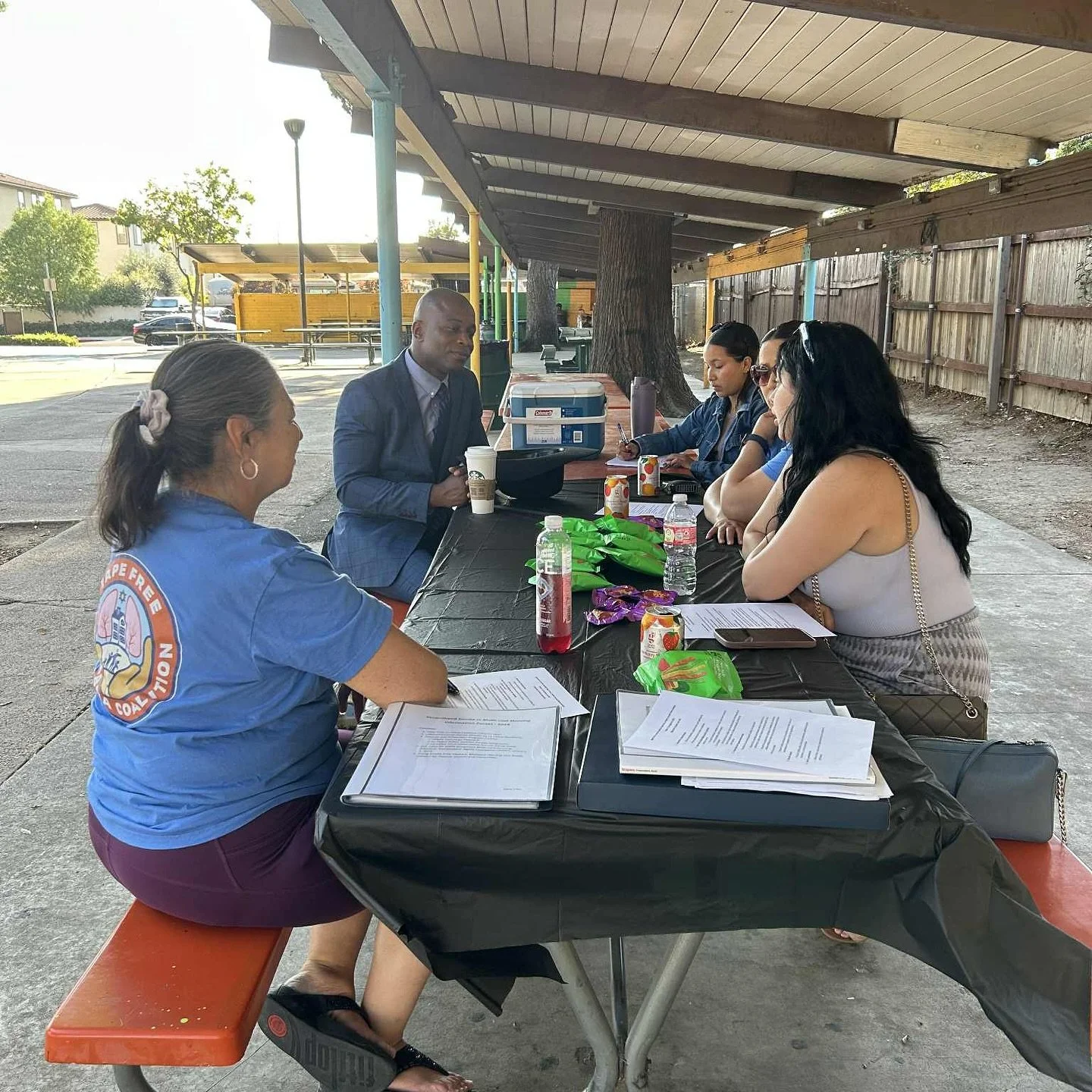
One of the most significant differentiators in Lampkin’s approach is the treatment of civic engagement not as a peripheral activity, but as a core leadership responsibility.
Research consistently demonstrates that citizen participation improves policy outcomes, trust in government, and institutional legitimacy (Nabatchi & Leighninger, 2015). Yet many municipalities struggle to operationalize engagement beyond public hearings and static communication channels.
Lampkin’s strategy includes:
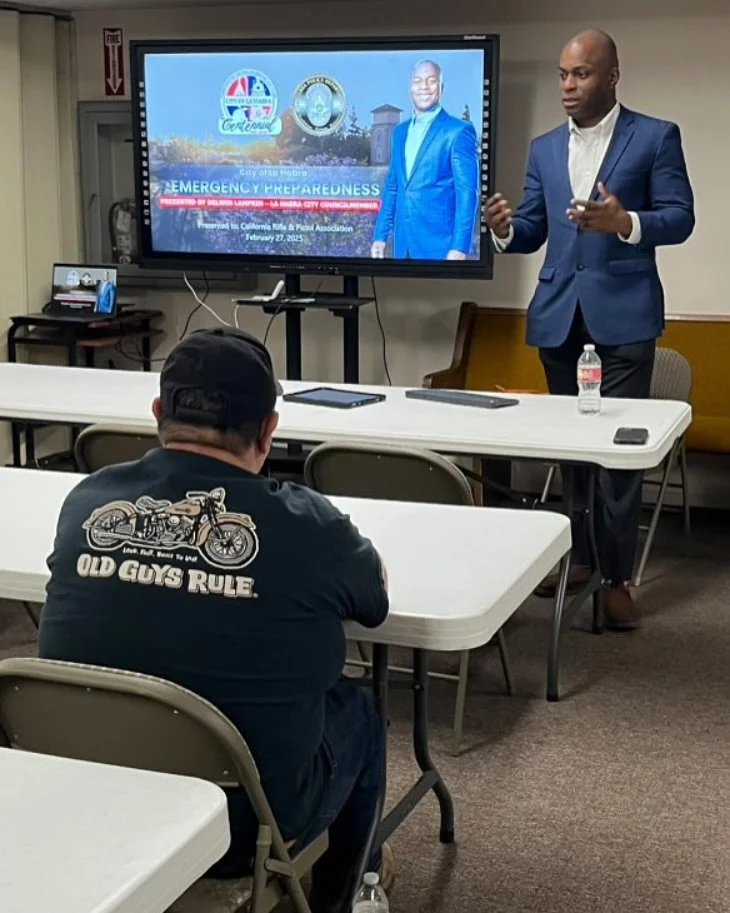
Support for structured civic education initiatives, such as the La Habra Civics Academy, which equips residents with the knowledge to engage meaningfully in governance.
Leveraging social media as a public service platform, transforming it from a political messaging tool into a mechanism for education, transparency, and resource distribution.
Designing communication that resonates across generations, addressing a common gap in local government outreach (Pew Research Center, 2021).
This approach aligns with Arnstein’s (1969) “Ladder of Citizen Participation,” moving engagement from tokenism toward genuine partnership.
The Discipline of “Getting Back to the Basics”
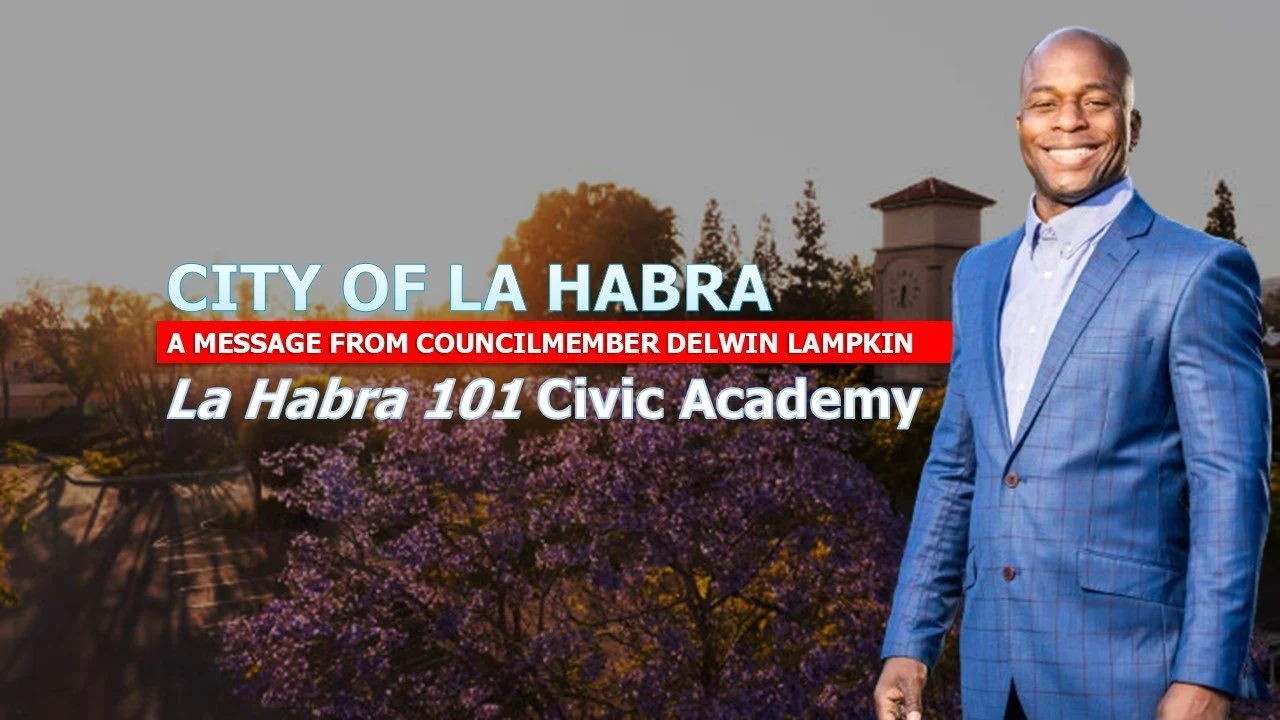
PSA where Delwin Lampkin announces creation of La Habra Civic Academy.
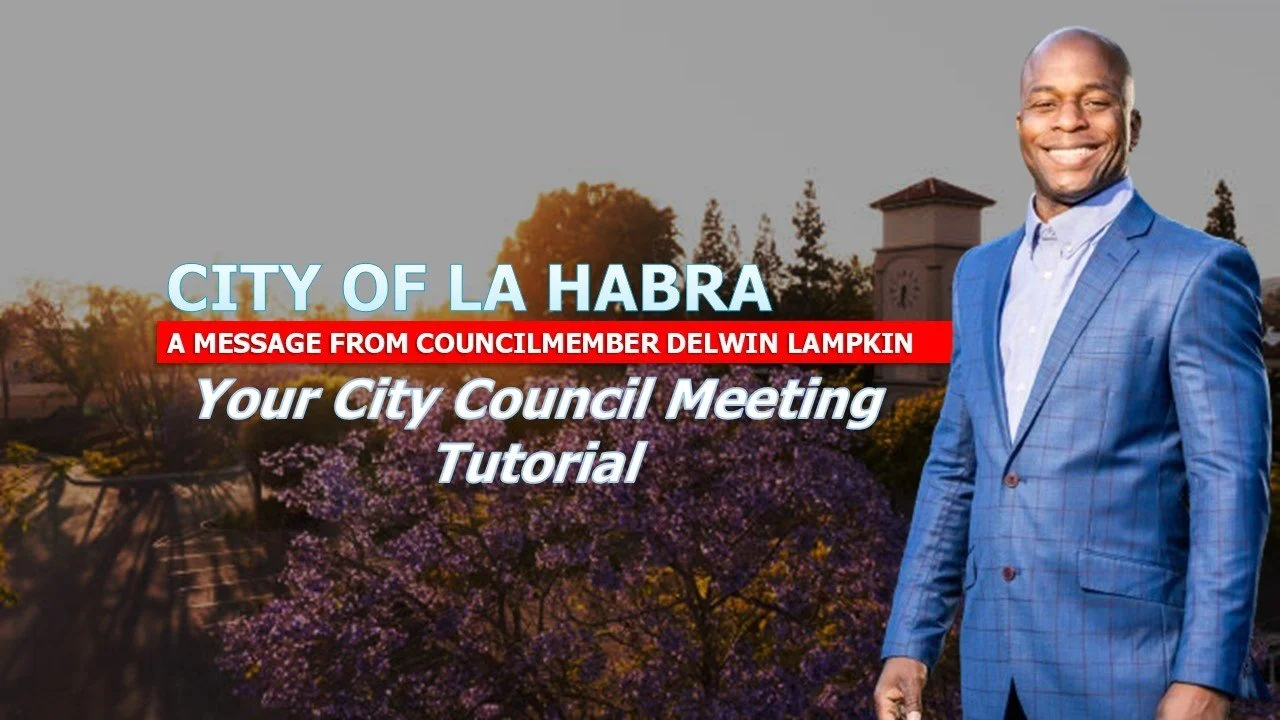
PSA where Delwin Lampkin shares with residents what to expect when attending city council meetings.
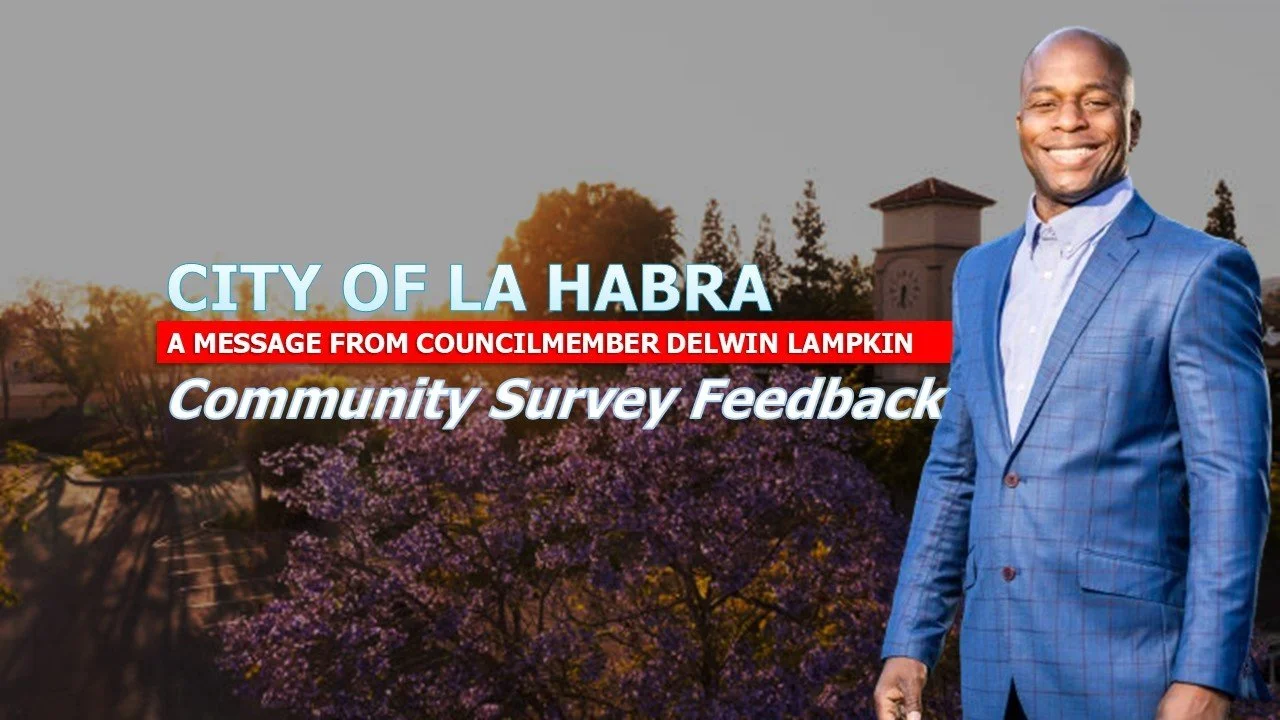
PSA where Delwin Lampkin shares responses received from self initiated community feedback survey.
A recurring theme in Lampkin’s leadership philosophy is a focus on foundational practices—communication, responsiveness, and relationship-building.
While these elements are often assumed rather than operationalized, management research suggests that consistent execution of core practices is a primary driver of organizational effectiveness (Gibbons & Henderson, 2012).
From a governance perspective, these basics translate into:
Transparent and accessible communication
Timely responsiveness to constituent concerns
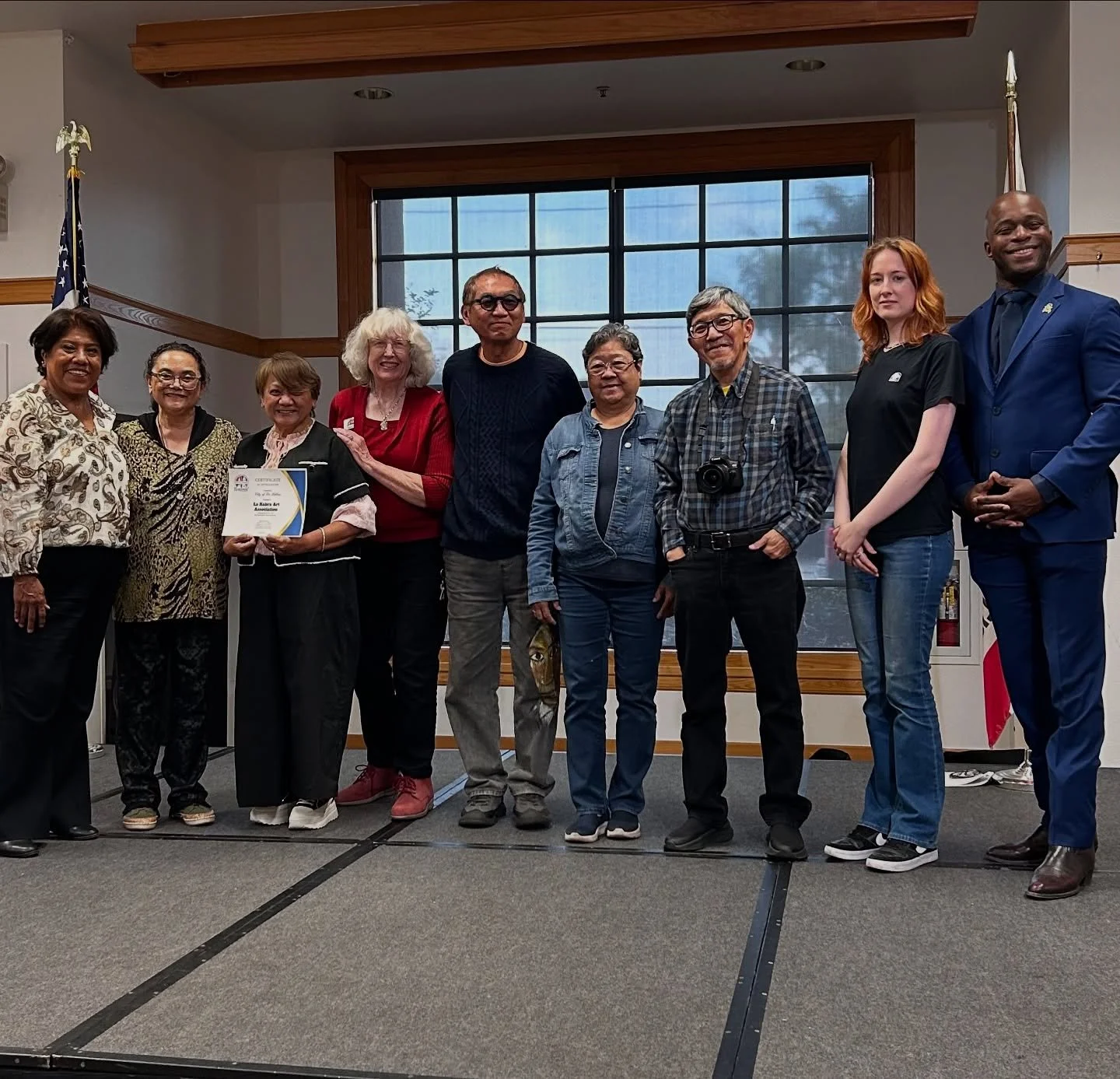
Visible leadership presence within the community
Alignment between elected officials and administrative staff
This mirrors Schein’s (2010) framework on organizational culture, where leadership behavior—not stated values—ultimately defines institutional norms.
Lampkin’s approach reframes these fundamentals as strategic priorities rather than baseline expectations.
Navigating Multi-Level Governance Challenges
Municipal leaders operate within a multi-layered governance environment, balancing local needs with state mandates and broader societal dynamics.
City-Level Pressures
Cities such as La Habra face ongoing challenges related to:
Public safety and community trust
Infrastructure maintenance
Budgetary constraints and service delivery
Lampkin’s emphasis on visibility and relationship-building reflects research indicating that trust in local government is strongly correlated with perceived accessibility of leadership (Yang & Holzer, 2006).
State-Level Constraints
Operating within California introduces additional complexity, including:
Housing mandates and regulatory compliance
Environmental legislation
Fiscal pressures tied to state policy
These constraints require what Heifetz (1994) terms “adaptive leadership”—the ability to navigate systemic challenges without clear or immediate solutions.
Community-Level Dynamics
Modern local governance is also shaped by:
Real-time public feedback via social media
Diverse and competing stakeholder expectations
Increased demand for transparency and accountability
Lampkin’s response—consistent communication and engagement—aligns with findings that transparency and responsiveness are key drivers of public trust (OECD, 2020).
Leadership Through Organizational Alignment
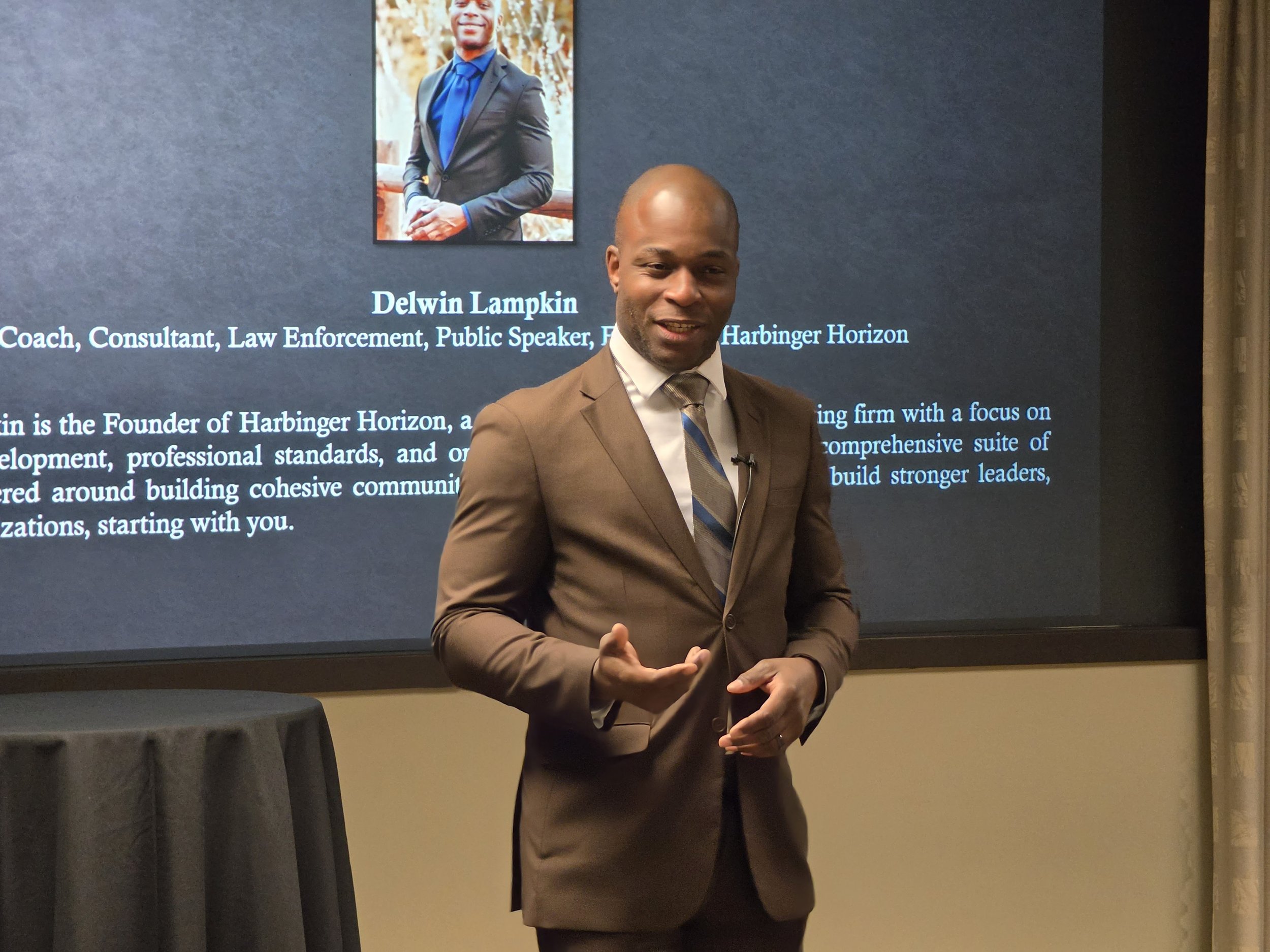

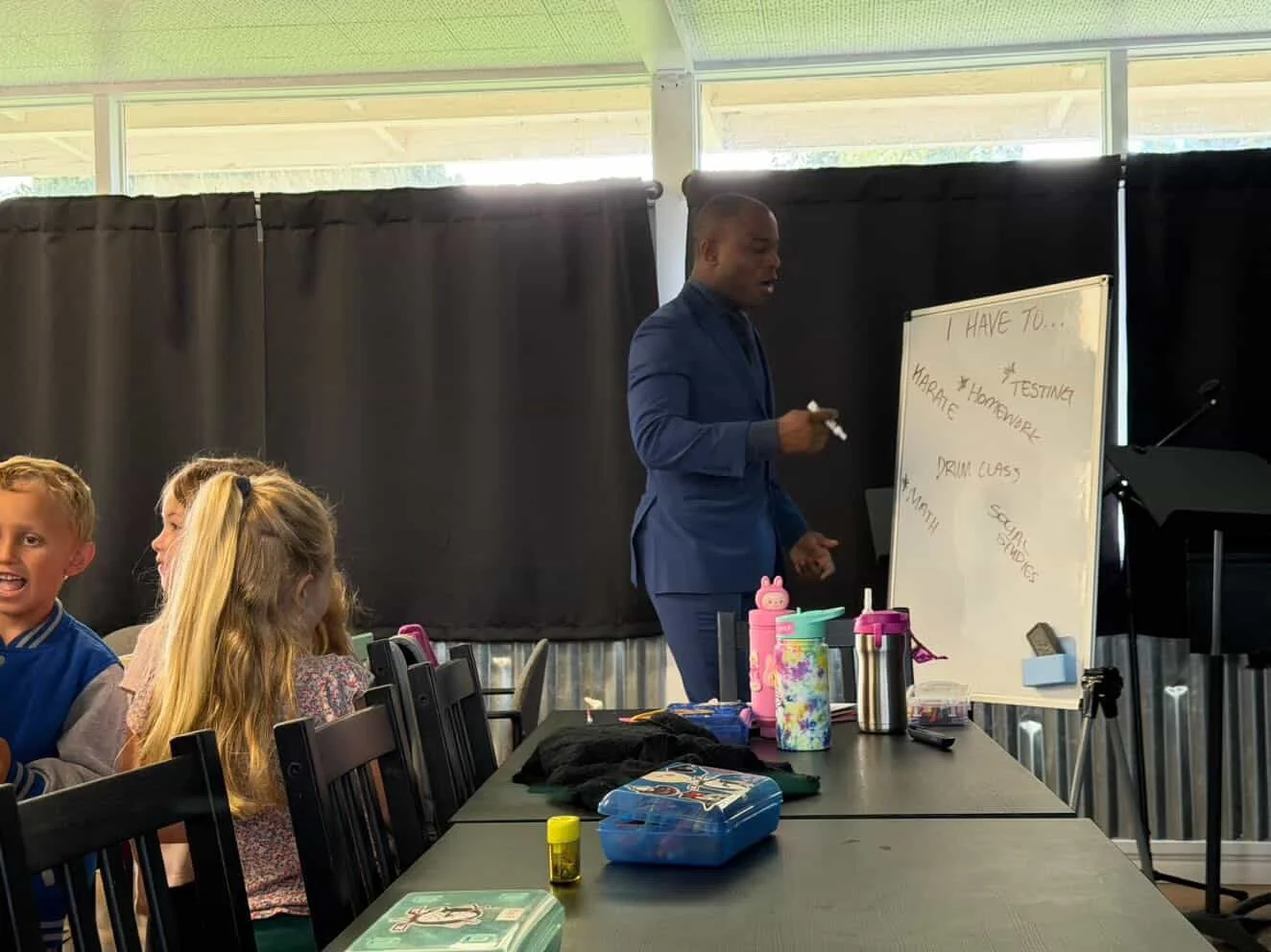
A critical yet often overlooked factor in public sector performance is the relationship between elected officials and government employees.
Lampkin’s background in organizational leadership informs a partnership-oriented approach, recognizing that policy outcomes depend heavily on the individuals responsible for implementation.
Research supports this alignment:
Employee engagement is directly linked to organizational performance and service quality (Harter, Schmidt, & Hayes, 2002).
Leadership behavior significantly influences workplace culture and effectiveness (Schein, 2010).
By emphasizing collaboration rather than hierarchy, Lampkin reinforces a governance model where elected leadership and administrative staff operate as a unified system.
Implications for the Future of Local Governance
Lampkin’s leadership model suggests several broader implications:
Operational credibility may be emerging as a primary form of political capital at the local level.
Civic engagement, when treated as a strategic function, can enhance both trust and effectiveness.
Consistent execution of foundational practices may outperform large-scale reform initiatives.
Cross-sector leadership experience provides transferable skills highly relevant to governance.
In a political climate often dominated by polarization, this model offers a pragmatic alternative: leadership defined not by ideology, but by execution, accessibility, and service.
Conclusion
Local government remains the most immediate interface between citizens and the state. Its effectiveness depends less on abstract political positioning and more on tangible outcomes and relationships.
The case of Delwin Lampkin demonstrates that leadership grounded in real-world experience, civic engagement, and disciplined execution can reshape expectations of public service.
In doing so, it reinforces a broader insight:
Effective governance is not necessarily about reinventing systems—but about consistently delivering on the fundamentals that build trust, engagement, and results.
References
Arnstein, S. R. (1969). A Ladder of Citizen Participation. Journal of the American Institute of Planners.
Bourdieu, P. (1986). The Forms of Capital.
Gibbons, R., & Henderson, R. (2012). What Do Managers Do? Exploring Persistent Performance Differences Among Seemingly Similar Enterprises.
Harter, J. K., Schmidt, F. L., & Hayes, T. L. (2002). Business-Unit-Level Relationship Between Employee Satisfaction and Business Outcomes. Journal of Applied Psychology.
Heifetz, R. (1994). Leadership Without Easy Answers. Harvard University Press.
Kotter, J. P. (1996). Leading Change. Harvard Business School Press.
Nabatchi, T., & Leighninger, M. (2015). Public Participation for 21st Century Democracy.
OECD (2020). Trust in Government.
Pew Research Center (2021). Social Media Use in 2021.
Schein, E. H. (2010). Organizational Culture and Leadership.
Yang, K., & Holzer, M. (2006). The Performance–Trust Link: Implications for Performance Measurement. Public Administration Review.